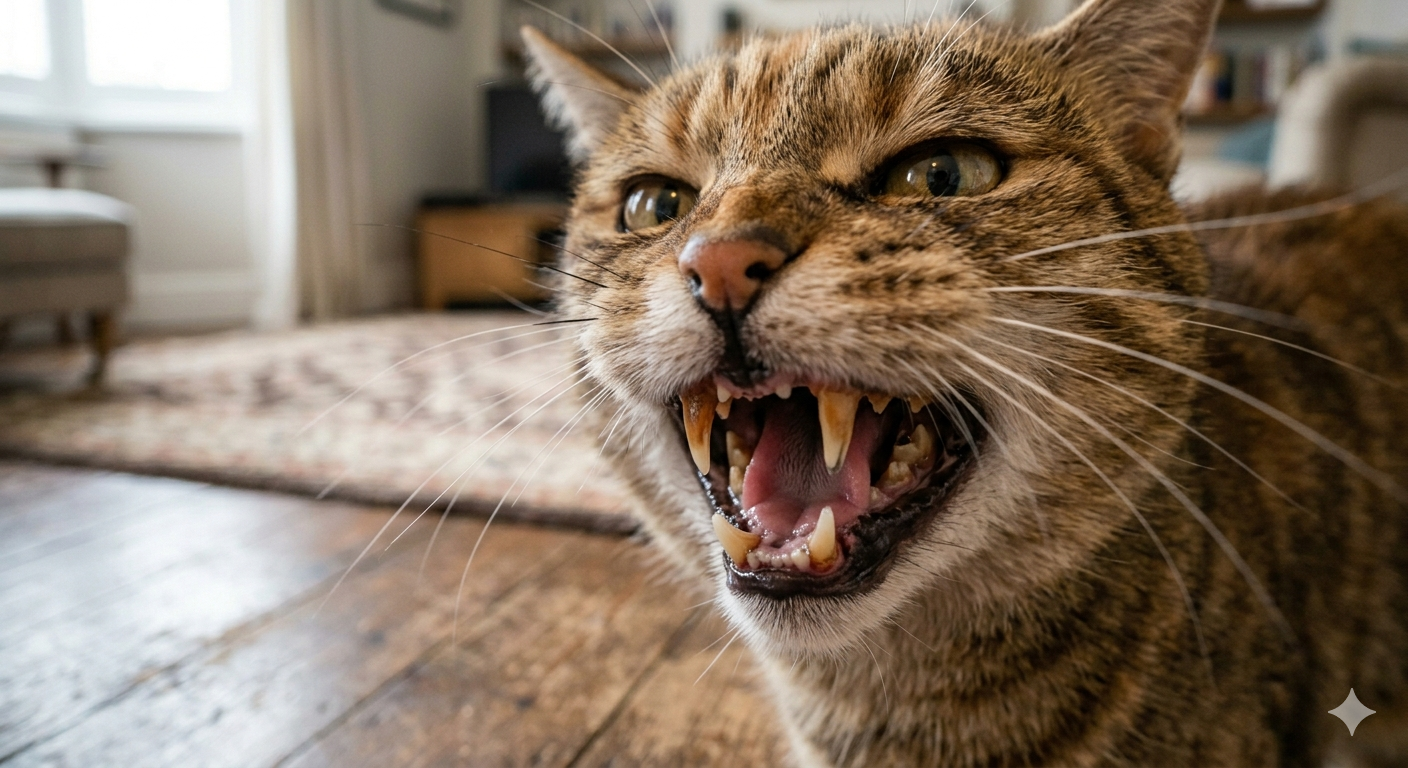
Cats are masters of disguise, often hiding signs of pain or discomfort, and dental disease is no exception. It’s a silent epidemic, affecting a staggering 70-90% of cats by the age of three. Untreated dental issues can lead to chronic pain, tooth loss, and even systemic health problems as bacteria from the mouth enter the bloodstream, impacting organs like the heart, kidneys, and liver.
While professional veterinary dental cleanings are crucial, there’s a lot you can do at home to maintain your feline friend’s oral hygiene and prevent serious problems. This guide will equip you with practical tips and strategies to improve your cat’s dental health right in your own home.
The Silent Threat: Understanding Feline Dental Disease
Dental disease in cats typically begins with the accumulation of plaque—a sticky film of bacteria, saliva, and food particles—on the tooth surface. If not removed, plaque hardens into tartar, a rough, calcified deposit that irritates the gums.
This irritation leads to gingivitis, an inflammation of the gums, characterized by redness, swelling, and bleeding. Left unchecked, gingivitis progresses to periodontal disease, where the infection spreads below the gum line, damaging the supporting structures of the tooth, including the bone. This can result in painful abscesses, loose teeth, and ultimately, tooth loss.
Recognizing the Signs of Dental Problems
Because cats are so adept at hiding pain, it’s essential to be vigilant for subtle signs of dental issues. These can include:
•Bad Breath (Halitosis): This is often the first and most noticeable sign. Whilesome degree of cat breath is normal, a strong, foul odor is a red flag.
•Difficulty Eating: Reluctance to eat, chewing on one side of the mouth, dropping food, or crying out while eating.
•Drooling: Excessive drooling, sometimes with blood.
•Pawing at the Mouth: A cat might paw at their mouth or rub their face against objects.
•Bleeding Gums: Visible blood on toys, food bowls, or around the mouth.
•Red, Swollen, or Receding Gums: Visual signs of inflammation.
•Loose or Missing Teeth: In advanced stages of periodontal disease.
•Behavioral Changes: Irritability, lethargy, or withdrawal due to pain.
The Gold Standard: Brushing Your Cat’s Teeth
Just like in humans, daily tooth brushing is the most effective way to prevent plaque and tartar buildup. While it might sound challenging, many cats can be trained to accept tooth brushing with patience and positive reinforcement.
Steps for Successful Tooth Brushing:
1.Start Slowly: Begin by simply letting your cat lick a small amount of cat-specific toothpaste (never human toothpaste, as it contains ingredients toxic to pets) off your finger. Praise and reward them.
2.Introduce the Brush: Once they are comfortable with the toothpaste, introduce a finger brush or a soft, cat-sized toothbrush. Gently touch their teeth and gums for a few seconds, gradually increasing the duration.
3.Focus on Outer Surfaces: Concentrate on the outside surfaces of the teeth, as this is where plaque tends to accumulate most. Lift their lip gently to access the teeth.
4.Positive Reinforcement: Always keep sessions short, positive, and end with a treat or praise. The goal is to make it a pleasant experience.
5.Consistency is Key: Aim for daily brushing. Even brushing a few times a week is better than nothing.
Beyond Brushing: Other Home Dental Care Options
While brushing is ideal, if your cat absolutely won’t tolerate it, there are other strategies to support their oral health:
1. Dental Diets and Treats
Look for cat foods and treats that have been specifically formulated to reduce plaque and tartar. These products often have a unique texture or contain ingredients that mechanically scrub the teeth or chemically reduce plaque. Look for the Veterinary Oral Health Council (VOHC) seal of acceptance, which indicates that a product meets specific standards for plaque and tartar control.
2. Water Additives
Dental water additives contain ingredients that help reduce bacteria in the mouth and freshen breath. These are simply added to your cat’s drinking water. Ensure your cat still drinks the water after the additive is introduced.
3. Oral Gels and Wipes
Antiseptic oral gels or dental wipes can be applied to your cat’s teeth and gums to help reduce bacteria and plaque. These can be a good alternative for cats who resist brushing but tolerate having their mouths handled.
4. Chew Toys
While not as effective as brushing, certain chew toys designed for dental health can help scrape away some plaque as your cat chews. Choose toys that are appropriately sized and durable, and always supervise your cat to prevent choking hazards.
The Importance of Professional Veterinary Dental Care
Even with diligent home care, most cats will eventually require professional dental cleanings under anesthesia. Your veterinarian can thoroughly examine your cat’s mouth, take X-rays to assess the health of the tooth roots and jawbone, and perform a deep cleaning to remove plaque and tartar above and below the gum line.
They can also address any painful or diseased teeth. Regular veterinary check-ups will help your vet determine when a professional cleaning is necessary.
Conclusion
Your cat’s dental health is an integral part of their overall well-being. By understanding the risks of dental disease and implementing a consistent home care routine, you can significantly improve their oral hygiene and prevent painful complications.
Whether it’s daily brushing, dental diets, water additives, or a combination of methods, finding what works best for your feline friend is key. Partner with your veterinarian to create a comprehensive dental care plan, ensuring your beloved cat can enjoy a healthy, pain-free mouth and a happy life for years to come.