It’s a scenario many cat owners can relate to: you bring a new partner into your life, and while you’re head over heels, your beloved feline seems to have other ideas. Instead of purrs and cuddles, your cat might hiss, hide, or even swat at your significant other, leading to the perplexing question: “Why does my cat hate my husband (or partner)?” While it might feel personal, it’s rarely about genuine hatred.
More often, it’s a complex interplay of feline instincts, past experiences, and subtle communication cues. Understanding these factors is the first step to mending the relationship and fostering a harmonious home. Let’s explore the reasons behind this feline favoritism and how to bridge the gap.
Decoding Feline Dislike: Common Reasons
Cats are creatures of habit and can be sensitive to changes in their environment and routine. A new person entering their territory can be perceived as a threat or an unwelcome disruption. Here are some common reasons why your cat might seem to dislike your partner:
1. Scent and Sound
Cats rely heavily on their sense of smell. Your partner brings a whole new array of scents into the home – different from yours, and potentially unfamiliar or even unpleasant to your cat. Strong colognes, aftershaves, or even the scent of other animals your partner might have encountered can be off-putting. Similarly, a loud voice, boisterous movements, or unfamiliar laughter can be startling and perceived as threatening by a sensitive cat.
2. Past Trauma or Negative Experiences
If your cat has had negative experiences with men (or people with similar characteristics to your partner) in the past, they might generalize that fear or distrust to your husband. This is particularly common in rescue cats who may have experienced abuse or neglect. Even a single frightening encounter can create a lasting negative association.
3. Disruption of Routine and Territory
Cats are territorial and thrive on routine. Your partner’s presence changes the dynamics of the household. They might occupy your cat’s favorite sleeping spot, disrupt feeding times, or simply alter the familiar flow of the home. This disruption can cause stress and anxiety, which your cat might direct towards the perceived source of the change.
4. Unintentional Intimidation
Sometimes, your partner might be unintentionally intimidating your cat. Direct eye contact, approaching too quickly, towering over the cat, or trying to force interaction can all be perceived as threatening gestures by a feline. Cats prefer to initiate contact on their own terms and appreciate a more subtle, indirect approach.
5. Jealousy or Resource Guarding
While not true human-like jealousy, your cat might perceive your partner as a competitor for your attention, affection, or resources (like food, prime sleeping spots, or playtime). If your cat is used to being the sole recipient of your attention, they might act out to reclaim their perceived status.
Bridging the Gap: How to Foster a Feline-Friendly Relationship
It’s not too late to turn things around! With patience, understanding, and a consistent approach, you can help your cat and partner build a positive relationship.
1. Slow and Steady Introductions
Avoid forcing interactions. Encourage your partner to approach your cat indirectly. Instead of staring or reaching out, suggest they sit quietly in the same room, allowing the cat to approach them on their own terms. Short, positive interactions are better than long, stressful ones.
2. Positive Associations with Your Partner
Your partner should become the source of all good things. Have your partner be the one to offer treats, play with favorite toys, or even feed the cat (if the cat is comfortable with this). This helps the cat associate your partner with positive experiences and rewards.
3. Respect Your Cat’s Boundaries
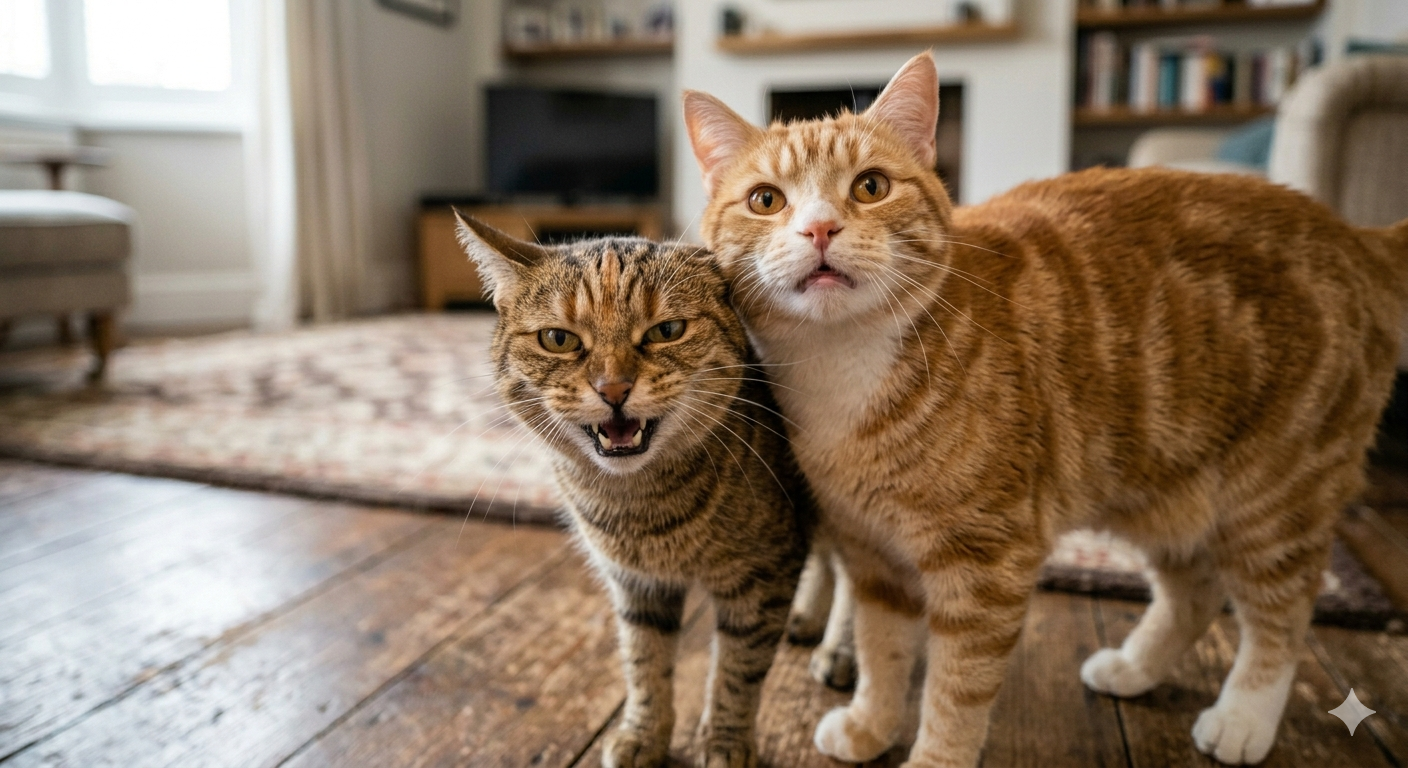
Teach your partner to recognize and respect your cat’s body language. If the cat’s ears are flattened, tail is tucked, or they are hissing, it’s a clear sign to back off. Never force interaction. Let the cat dictate the pace and duration of contact.
4. Scent Swapping
Before direct introductions, try scent swapping. Have your partner wear a piece of clothing for a while, then place it near your cat’s favorite sleeping spot. This allows your cat to get used to your partner’s scent in a non-threatening way. Similarly, your partner can rub a cloth on your cat’s cheeks (if the cat allows) and then rub it on themselves.
5. Playtime is Key
Interactive playtime with a wand toy can be a fantastic bonding tool. It allows your partner to engage with the cat in a fun, non-threatening way, burning off energy and building positive associations. Let your partner be the one to initiate and lead these play sessions.
6. Create Safe Spaces
Ensure your cat has plenty of high perches, hiding spots, and escape routes where they can retreat if they feel overwhelmed. This gives them a sense of control and security in their environment.
7. Maintain Routine
Try to keep your cat’s routine as consistent as possible, especially around feeding times and playtime. This minimizes stress and helps them feel more secure despite the new presence.
8. Consult a Professional
If the aggression or fear is severe and persistent, consider consulting a certified feline behaviorist. They can assess the situation, identify underlying causes, and develop a tailored behavior modification plan.
Conclusion
While it might seem like your cat has a personal vendetta against your husband, it’s usually a misunderstanding rooted in feline behavior and perception. By understanding the reasons behind their apparent dislike and implementing strategies to create positive associations, respect boundaries, and maintain a stable environment, you can help your cat and partner forge a loving and respectful relationship.
Patience, consistency, and a willingness to see the world from your cat’s perspective are your best tools for transforming animosity into affection, ensuring a harmonious home for everyone, two-legged and four-legged alike.