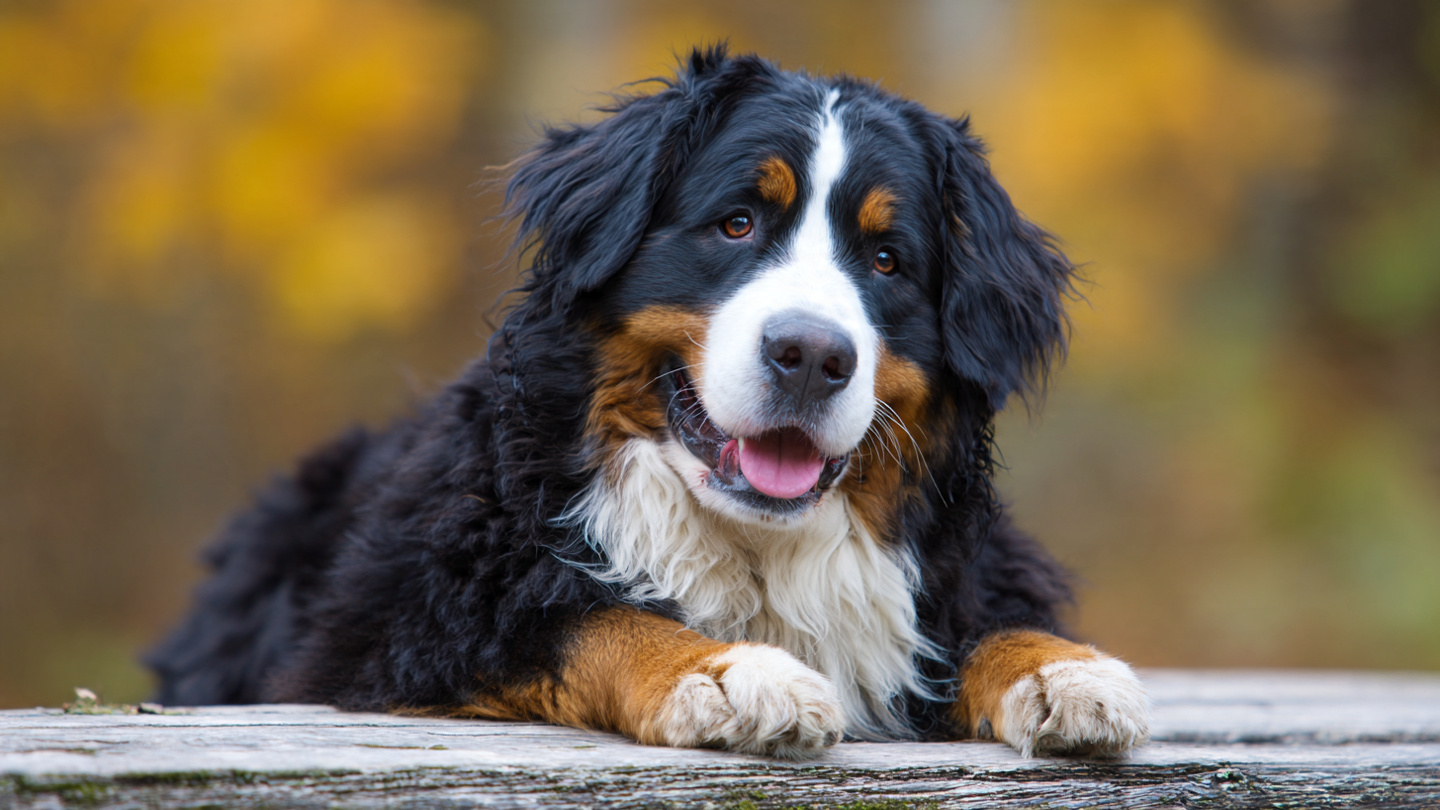
The Bernese Mountain Dog, with its striking tricolor coat, gentle eyes, and affectionate nature, is a beloved giant breed that captures the hearts of many. Originating from the Swiss Alps, these majestic dogs were historically used for herding cattle, guarding farmsteads, and pulling carts. Today, they are cherished family companions, known for their loyalty and calm demeanor.
However, like many large and giant breeds, Bernese Mountain Dogs are predisposed to certain health conditions that prospective and current owners should be aware of. Understanding these potential issues and implementing proactive care can significantly contribute to a Bernese Mountain Dog’s quality of life and longevity.
Common Health Concerns in Bernese Mountain Dogs
Bernese Mountain Dogs, unfortunately, have a shorter average lifespan compared to many other breeds, typically ranging from 7 to 10 years. This is largely due to their genetic predisposition to several serious health problems. Being informed about these conditions is the first step in providing the best possible care.
1. Musculoskeletal Issues: Hip and Elbow Dysplasia
As a large breed, Bernese Mountain Dogs are particularly susceptible to hip and elbow dysplasia. These are genetic conditions where the joints develop abnormally, leading to looseness, pain, and eventually arthritis. Symptoms can range from mild lameness and stiffness to severe pain and difficulty moving.
•What to Watch For: Limping, reluctance to jump or climb stairs, difficulty getting up, abunny-hopping gait, or a decrease in activity level.
•Prevention and Management: Responsible breeders will screen their dogs for these conditions before breeding. For owners, maintaining a healthy weight, providing appropriate exercise (avoiding excessive jumping or strenuous activity in young, growing dogs), and a high-quality diet can help. Veterinary treatments range from pain management and physical therapy to surgical interventions in severe cases.
2. Gastric Dilatation-Volvulus (GDV) or Bloat
Bloat, or Gastric Dilatation-Volvulus (GDV), is a life-threatening condition common in deep-chested breeds like the Bernese Mountain Dog. It occurs when the stomach fills with gas and then twists, trapping the gas and cutting off blood supply. This is a medical emergency requiring immediate veterinary attention.
•What to Watch For: Restlessness, pacing, unproductive retching, distended abdomen, excessive drooling, and signs of pain or discomfort. The dog may also try to vomit but nothing comes up.
•Prevention: Feeding multiple small meals throughout the day instead of one large one, avoiding vigorous exercise an hour before and after meals, and using slow-feeder bowls can help. Some vets recommend a prophylactic gastropexy (surgically tacking the stomach to the abdominal wall) for at-risk breeds.
3. Cancer
Cancer is a leading cause of death in Bernese Mountain Dogs, with several types being particularly prevalent. Histiocytic Sarcoma is a highly aggressive form of cancer that is disproportionately common in the breed. Other cancers include mast cell tumors, lymphosarcoma, and osteosarcoma.
•What to Watch For: Any unusual lumps or bumps, unexplained weight loss, lethargy, loss of appetite, persistent lameness, or changes in behavior. Early detection is crucial for better prognosis.
•Prevention and Management: Regular veterinary check-ups, including senior panels and imaging as recommended by your vet, are vital. A healthy diet and lifestyle can support overall immune health. If cancer is diagnosed, treatment options may include surgery, chemotherapy, and radiation, depending on the type and stage.
4. Other Health Concerns
Beyond these major issues, Bernese Mountain Dogs can also be prone to:
•Von Willebrand Disease: A hereditary bleeding disorder. Affected dogs may experience prolonged bleeding after injury or surgery.
•Degenerative Myelopathy: A progressive disease of the spinal cord that leads to weakness and paralysis in the hind limbs.
•Eye Conditions: Such as progressive retinal atrophy and entropion/ectropion.
•Allergies: Both environmental and food allergies can manifest as skin issues or digestive upset.
Proactive Care for a Healthy Bernese
While the list of potential health issues can seem daunting, responsible ownership and proactive care can make a significant difference in your Bernese Mountain Dog’s health and happiness.
•Choose a Reputable Breeder: A breeder who conducts thorough health screenings (OFA/PennHIP for hips and elbows, genetic testing for Von Willebrand, etc.) and can provide health clearances for both parents is paramount.
•Regular Veterinary Care: Annual check-ups, vaccinations, parasite prevention, and prompt attention to any changes in your dog’s health are essential.
•Balanced Diet and Weight Management: Feed a high-quality diet appropriate for large breeds and maintain an ideal body weight to reduce stress on joints.
•Appropriate Exercise: Provide moderate, consistent exercise. Avoid over-exercising puppies, as their growth plates are still developing.
•Early Socialization and Training: A well-socialized and trained Bernese is a happier, less stressed dog, which can contribute to overall health.
Conclusion
The Bernese Mountain Dog is a magnificent breed that brings immense joy and companionship to its owners. While they are susceptible to certain serious health conditions, being informed and proactive can help you navigate these challenges.
By partnering with a reputable breeder, providing excellent veterinary care, a balanced lifestyle, and a loving home, you can help your Bernese Mountain Dog live the fullest, healthiest life possible. Their gentle spirit and unwavering loyalty make every effort worthwhile.