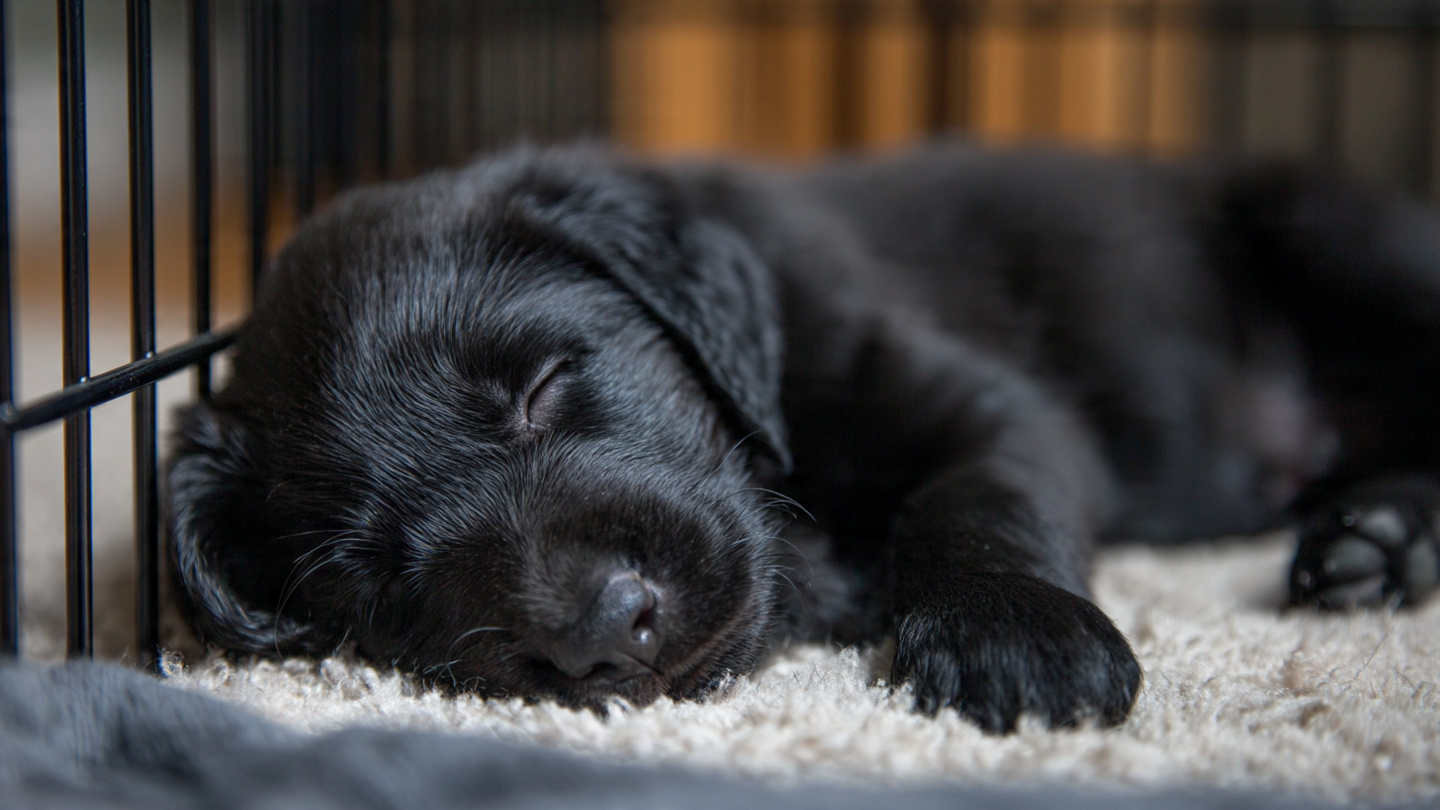
Bringing a new puppy home is an exciting time, filled with joy, playful antics, and, let’s be honest, a few sleepless nights. One of the most effective tools for navigating the early stages of puppyhood, especially when it comes to nighttime routines and potty training, is crate training.
Far from being a cruel confinement, a crate, when introduced correctly, becomes a safe, den-like space that your puppy will willingly retreat to. This guide will walk you through the essentials of nighttime crate training, helping both you and your furry friend achieve a peaceful night’s sleep.
The Unseen Benefits of Crate Training
Before diving into the ‘how-to,’ it’s crucial to understand why crate training is so beneficial. At its core, a crate taps into a dog’s natural denning instinct. In the wild, canids seek out small, secure spaces to rest and feel safe. A crate mimics this environment, offering a personal sanctuary where your puppy can feel protected and calm. Beyond psychological comfort, crate training is an invaluable aid in potty training.
Dogs are naturally clean animals and are reluctant to soil their sleeping area. This inherent cleanliness encourages them to hold their bladder and bowels, significantly speeding up the house-training process. Furthermore, a crate provides a safe haven when you can’t directly supervise your puppy, preventing destructive chewing or accidental ingestion of harmful items. It also makes travel and vet visits less stressful, as your puppy will already be accustomed to a confined space.
Choosing the Right Crate: Size Matters
The first step to successful crate training is selecting the appropriate crate. The golden rule is: big enough to stand up, turn around, and lie down comfortably, but not so big that they can use one end as a bathroom and the other as a bed. If your puppy is still growing, consider a crate with a divider that can be adjusted as they get bigger.
This allows you to expand the space gradually, maintaining the ‘den’ concept and preventing accidents. Crates come in various materials, including wire, plastic (airline-style), and soft-sided fabric. Wire crates offer good ventilation and visibility, often coming with dividers. Plastic crates provide a more den-like feel and are excellent for travel. Soft-sided crates are lightweight and portable but less durable for chewers.
Establishing a Solid Nighttime Routine
Consistency is key in puppy training, and nighttime is no exception. A predictable routine helps your puppy understand what to expect, reducing anxiety and promoting better sleep. Start by ensuring your puppy gets plenty of exercise and playtime during the day to burn off energy.
About two hours before bedtime, limit water intake to minimize nighttime potty breaks. Always take your puppy out for a final potty break right before you put them in the crate for the night. Make this last trip calm and business-like, without exciting play. Once back inside, a quick cuddle and a quiet
trip to the crate should follow. Avoid making a big fuss; the goal is to signal that it’s time for sleep.
Crate Placement: Where to Put the Den
Initially, the location of the crate can significantly impact your puppy’s comfort and your ability to respond to their needs. For the first few nights, place the crate in your bedroom or very close to it. Puppies are social animals and can feel isolated if left alone in a separate room. Being near you provides comfort and reassurance, mimicking the closeness they would have with their littermates. It also allows you to hear them if they stir or need to go outside. As your puppy grows more confident and comfortable with the crate, you can gradually move it to its permanent location, if desired.
Handling Nighttime Whining: When to Respond, When to Wait
This is often the most challenging part for new puppy owners. Your puppy will likely whine or cry in the crate, especially during the first few nights. It’s crucial to distinguish between a genuine need to go potty and a plea for attention. If you’ve taken your puppy out right before bed and they haven’t been in the crate for an excessively long period (e.g., more than 3-4 hours for a young puppy), their whining might be for attention. In this case, resist the urge to immediately let them out, as this teaches them that whining gets them what they want. A quick, firm
“quiet” or a gentle tap on the crate might be enough to settle them. However, if the whining persists or sounds distressed, it’s always safer to assume they need a potty break. Take them out immediately, on a leash, to a designated potty spot. Keep it all business – no play, no greetings, just potty. Once they’ve done their business, immediately return them to the crate. This teaches them that crying in the crate leads to a potty break, not playtime or freedom.
Making the Crate a Cozy Retreat
To encourage your puppy to love their crate, make it as comfortable and inviting as possible. Line the bottom with a soft, washable blanket or a comfortable dog bed. Some puppies also benefit from a
heartbeat toy or a warm water bottle wrapped in a towel, which can mimic the warmth and comfort of their littermates. Avoid putting too many toys in the crate overnight, as they can become a distraction. A safe chew toy, however, can be a good option to help them settle down. Always ensure the crate is clean and dry. Accidents happen, especially with young puppies, but a soiled crate will deter them from wanting to use it as their den.
Troubleshooting Common Crate Training Challenges
Even with the best intentions, you might encounter some hurdles. If your puppy consistently soils the crate, it might be too large, allowing them to designate a potty area. Adjust the divider to create a smaller, more den-like space. Excessive barking or howling could indicate separation anxiety. In such cases, gradually increase the time your puppy spends in the crate during the day, even when you are home, making it a positive experience with treats and praise. Never use the crate as a punishment, as this will create negative associations and make training much harder. Patience and positive reinforcement are your best allies.
Conclusion
Nighttime puppy crate training is a journey that requires patience, consistency, and understanding. By providing a safe and comfortable den, establishing a clear routine, and responding appropriately to their needs, you can help your puppy feel secure and loved. A well-crate-trained puppy will not only sleep soundly through the night but will also be a happier, more confident companion, making the puppyhood experience enjoyable for everyone involved.
Remember, every puppy is an individual, so adjust your approach as needed and celebrate every small victory along the way. With dedication, you and your puppy will soon be enjoying peaceful nights and a strong, trusting bond.