Parrots are magnificent creatures, known for their vibrant plumage, intelligence, and often, their longevity. A well-cared-for parrot can live for decades, becoming a cherished member of the family. However, one of the most critical aspects of their care, and often one of the most misunderstood, is their diet.
Many common health problems in pet parrots, from feather plucking to organ failure, can be directly linked to poor nutrition. Moving beyond a seed-only diet to a balanced, varied intake of essential foods is paramount for ensuring your feathered friend enjoys a long, healthy, and happy life. This guide will help you understand the components of a healthy parrot diet and the essential foods to include.
The Dangers of a Seed-Only Diet
Historically, many pet parrots were fed diets consisting almost exclusively of sunflower seeds. While parrots love seeds, and they can be a part of a balanced diet, a seed-only diet is akin to a human living on fast food. Seeds are high in fat and low in essential vitamins, minerals, and amino acids. This nutritional imbalance can lead to:
•Obesity: Excess fat from seeds can lead to weight gain and related health issues.
•Vitamin Deficiencies: Particularly Vitamin A deficiency, which can impact respiratory, digestive, and immune systems.
•Organ Disease: Fatty liver disease and kidney problems are common in seed-fed parrots.
•Poor Feather Quality: Dull, brittle feathers, and feather plucking can be signs of nutritional deficiencies.
•Behavioral Issues: Malnutrition can contribute to lethargy, irritability, and other behavioral problems.
The Foundation: High-Quality Pellets
The cornerstone of a healthy pet parrot diet should be a high-quality, commercially formulated pelleted diet. Pellets are designed to be nutritionally complete and balanced, providing all the necessary vitamins, minerals, and proteins in each bite. They eliminate the selective eating that often occurs with seed mixes, where parrots pick out their favorite (often fattiest) seeds and leave the rest.
•Introduction: If your parrot is currently on a seed-only diet, transitioning to pellets can take time and patience. Start by mixing a small amount of pellets with their seeds, gradually increasing the pellet-to-seed ratio over several weeks. You can also try moistening pellets or offering them as treats.
•Variety: While pellets are complete, offering a variety of pellet shapes, sizes, and brands can prevent boredom and ensure a broader spectrum of nutrients.
The Essential Additions: Fresh Fruits and Vegetables
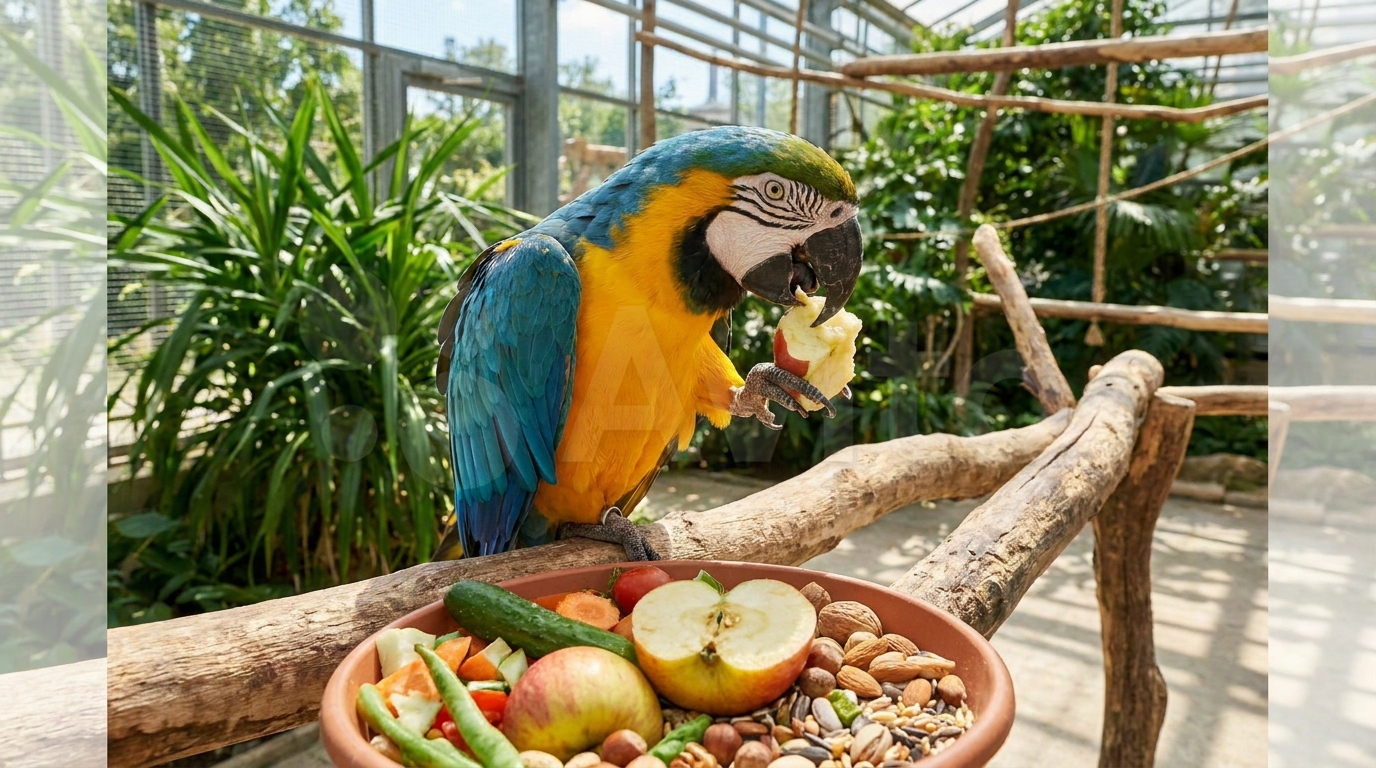
Once pellets form the majority of your parrot’s diet, the next crucial step is to introduce a wide array of fresh fruits and vegetables. These provide essential vitamins, minerals, antioxidants, and fiber, as well as mental stimulation as your parrot explores different textures and tastes. Aim for a colorful mix daily.
Recommended Vegetables:
•Leafy Greens: Kale, spinach (in moderation due to oxalates), romaine lettuce, dandelion greens, collard greens, beet greens.
•Root Vegetables: Carrots (shredded or chopped), sweet potatoes (cooked), pumpkin, squash.
•Cruciferous Vegetables: Broccoli, cauliflower, Brussels sprouts (in moderation).
•Other: Bell peppers (all colors), green beans, peas, corn (on the cob or kernels), zucchini.
Recommended Fruits (in moderation due to sugar content):
•Apples (seeds removed), bananas, berries (strawberries, blueberries, raspberries), melon, mango, papaya, kiwi, oranges.
Preparation: Always wash fruits and vegetables thoroughly. Chop them into appropriate sizes for your parrot to handle. Offer them fresh, raw, or lightly steamed. Remove any uneaten fresh foods after a few hours to prevent spoilage.
Healthy Proteins and Grains (in moderation)
While pellets provide protein, small amounts of additional healthy proteins and grains can add variety and essential nutrients.
•Cooked Grains: Brown rice, quinoa, whole wheat pasta (plain, cooked).
•Legumes: Cooked lentils, chickpeas, black beans (never raw).
•Small Amounts of Cooked Lean Meat: Chicken or turkey (plain, unseasoned).
•Hard-Boiled Egg: A good source of protein and calcium.
Toxic Foods to Avoid
Just as important as knowing what to feed is knowing what to never feed your parrot. Many human foods are toxic or harmful to birds:
•Avocado: Highly toxic and can cause heart failure.
•Chocolate: Contains theobromine, which is toxic to birds.
•Alcohol and Caffeine: Can be fatal.
•Fruit Seeds/Pits: Apple seeds, cherry pits, peach pits, and apricot pits contain cyanide.
•Onions and Garlic: Can cause blood disorders.
•Mushrooms: Some varieties are toxic.
•Salt and Sugar: Excessive amounts are harmful.
•Xylitol: An artificial sweetener found in many sugar-free products, highly toxic.
Water: The Forgotten Nutrient
Fresh, clean water should always be available to your parrot. Change the water daily, and clean the water dish thoroughly to prevent bacterial growth. Consider filtered water if your tap water quality is poor.
Conclusion
Providing a healthy, balanced diet is the single most impactful thing you can do for your parrot’s long-term health and happiness. By making high-quality pellets the foundation, supplementing with a wide variety of fresh fruits and vegetables, and offering occasional healthy proteins and grains, you can ensure your feathered companion receives all the nutrients they need.
Remember to avoid toxic foods and always provide fresh water. A well-nourished parrot is a vibrant, active, and engaging companion, ready to share many years of joy with you. Consult with an avian veterinarian for specific dietary recommendations tailored to your parrot’s species, age, and health status.